Exploring the Gayal: Your Ultimate Guide to Caring for This Unique Breed
Welcome to the fascinating world of the Gayal! Nestled comfortably within the bovine family, the Gayal—also known as the mithun—packs a punch with its unique characteristics and captivating history. For anyone curious about the gayal breed, you might wonder: what sets this distinct species apart from ordinary cattle? From its striking appearance to its vital role in local ecosystems and farming, let's dive deep into the intriguing attributes and essential care tips for this remarkable animal.
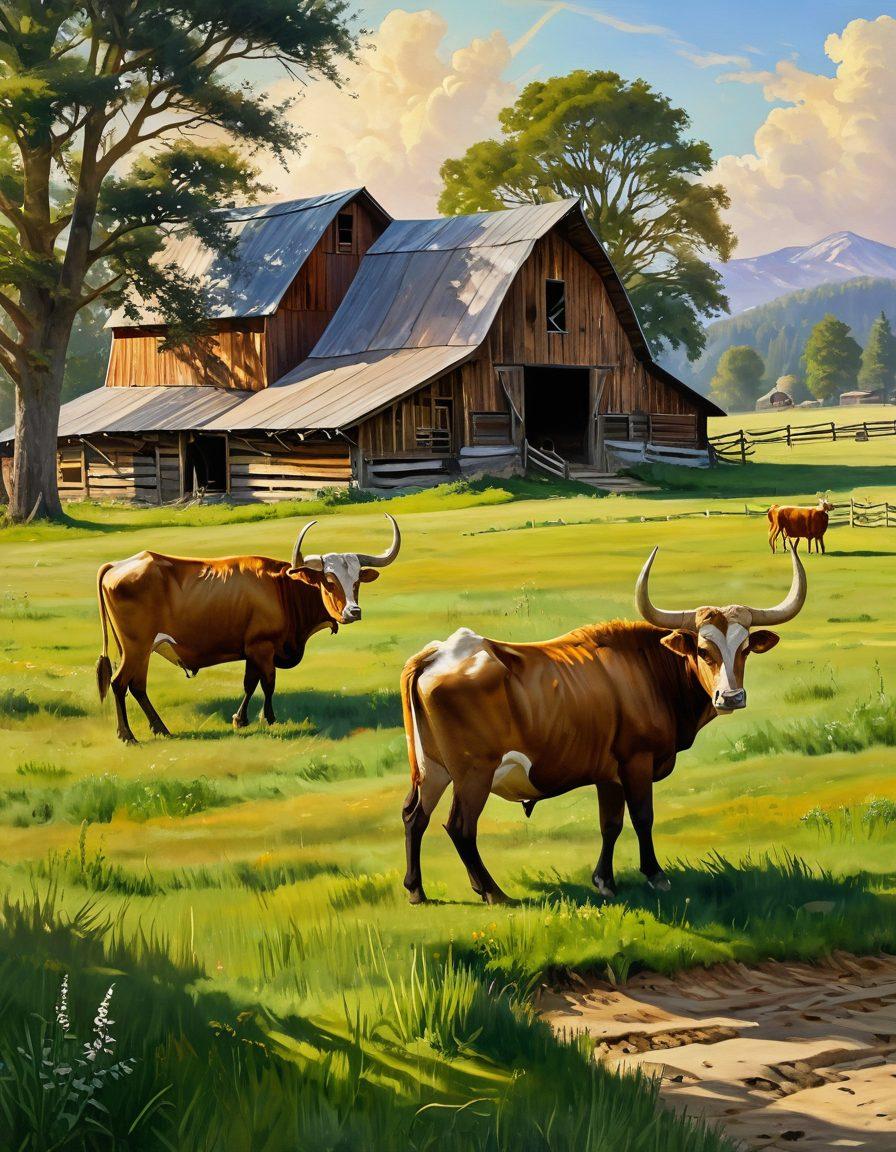
The Gayal is truly a sight to behold. With its impressive size, strong build, and impressive horns, it commands attention. Native to the hilly regions of Northeast India, Myanmar, and surrounding areas, the gayal boasts traits that not only help it thrive in challenging terrains but also make it a valuable asset to indigenous communities. But it's not just about looks—the gayal breed is known for its adaptability and resilience. As we explore the vital traits and care requirements of the gayal, we will uncover many gayal facts that would make you appreciate these majestic creatures even more!
Understanding the gayal's habitat is crucial for anyone thinking about gayal farming or conservation. They prefer the dense forests and hilly pastures typically found in their native regions. A suitable habitat not only enables healthy gayal behavior, but also supports proper gayal nutrition. If you're looking to manage gayal health effectively, consider what makes their living conditions favorable—ample space to roam, diverse grazing options, and access to clean water are all paramount. After all, aren't we all at our best in a nurturing environment?
Caring for gayal cattle isn't just about providing food and space; it's about fostering a relationship built on respect and understanding. Similar to how humans react to their upbringing, the characteristics of gayal are shaped by their environment and management. For instance, effective social interactions among a gayal population can enhance their well-being. So, if you’re lucky enough to raise gayal, think about it: what environment would allow them to express their true nature?
Finally, the conservation and domestication of gayal are vital topics for anyone passionate about preserving this unique breed. With declining populations and threats to their natural habitat, the need for conscious gayal management strategies has never been more pressing. By investing in gayal information and resources, we not only support the welfare of these stunning animals but can also contribute to cultural heritage preservation. So, as you reflect on the journey of gayal domestication, ask yourself: what legacy do you wish to create for future generations of this extraordinary breed?
The Essential Guide to Gayal Farming: Health, Nutrition, and Management Strategies
The gayal, also known as Mithun, is a fascinating breed of cattle that has captured the hearts of many animal lovers and farmers alike. Their unique characteristics and impressive history make them an interesting addition to livestock farming. If you're considering venturing into gayal farming, you’re in for a rewarding experience! Understanding their health, nutrition, and management strategies is essential, and in this essential guide, we will dive deeply into all the necessary aspects of caring for this amazing breed.
What makes the gayal breed so special? Known for their majestic horns and sturdy build, gayal cattle exhibit traits that are perfectly suited for both mountainous terrains and flatlands. Not only are they magnificent in appearance, but they also play a vital role in their native ecosystems. When you think of gayal, picture a creature of strength and nobility, embodying resilience. As you embark on your gayal farming journey, remember that knowledge is power, and understanding gayal behavior will significantly enhance your farming methods.
Healthy gayal cattle are the backbone of successful gayal farming. So, what does it take to ensure the health and wellbeing of your gayal herd? Start by creating a suitable habitat. Gayal thrive in environments that mimic their natural surroundings. This includes ample pasturing space, access to clean water, and shelter from harsh weather. Moreover, regular veterinary check-ups and vaccinations are non-negotiable when it comes to gayal care. By being proactive about your gayal’s health, you ensure longevity and productivity in your farming practices.
Nutrition is the cornerstone of gayal health. What do you feed these magnificent animals to keep them thriving? The gayal diet primarily consists of grasses, herbs, leaves, and browse. However, providing a balanced diet is crucial. Incorporating nutritional supplements may help fill the gaps when forage availability is low. Understanding gayal nutrition isn't just about maintaining health; it’s about optimizing their growth and productivity. Ensure they receive proper minerals and vitamins to support robust development, which can directly affect their overall yield in farming.
Finally, let's talk about management strategies. Effective management ensures that you not only have a thriving gayal population but also a sustainable farming practice. Track their behavior and health regularly; behavioral changes can indicate underlying health issues. Engaging with other gayal farmers through resources such as gayal.com can provide valuable insights into successful practices. What lessons can be learned from their experiences? You may be surprised at the wealth of knowledge that exists in the gayal community. Conservation efforts are equally vital as we strive to maintain healthy gayal populations for future generations. The intrinsic relationship between habitat preservation and gayal domestication cannot be overstated, and by adopting sound management strategies, you contribute to the greater goal of conservation.
From History to Conservation: Everything You Need to Know About the Gayal Breed
The Gayal, often referred to as the 'lele' in its native lands, offers a captivating glimpse into both the agricultural past and the promising future of sustainable farming. This unique breed of cattle has a rich history and a distinctive presence that sets it apart from other domesticated species. For those intrigued by the Gayal breed, diving deep into its history and conservation is as essential as understanding its day-to-day care and management. Have you ever thought about what makes this breed unique? Let’s embark on a journey to uncover the awe-inspiring world of the Gayal.
Originating from the lush, mountainous regions of Southeast Asia, the Gayal's history dates back hundreds of years. Historically considered a vital part of local agrarian cultures, this unique breed has not just served agricultural purposes but also been part of cultural traditions and symbolism. Did you know that the Gayal is known for its strong social behavior? It showcases incredible maternal instincts and protective traits that can teach us much about community and caring for one another. The Gayal population may be small, but its impact on biodiversity is profound, and knowledge about its traits can lead to better conservation efforts.
When it comes to Gayal care and farming, it becomes crucial to understand their specific needs. The Gayal thrives in warm, humid climates, with a preference for mixed woodlands and grasslands that provide both shelter and nutrition. Understanding their habitat is not just a matter of preference but an essential aspect of maintaining their health and happiness. What if every farmer knew how to create an environment that mirrors their natural habitat? Perhaps we could see a transformation in the health of Gayal cattle across farms!
In recent years, the conversation around Gayal conservation has gathered momentum. Consider this: by learning more about Gayal nutrition and behavior, we can ensure that this remarkable breed does not just survive but thrives. Proper management practices, sustainability, and education about Gayal farming can significantly boost their population and maintain the richness of their genes. This is not just a personal journey but also a community commitment to preserving an essential part of our planet's cultural and agricultural heritage.
So, how can you get involved? Whether you're already a farmer or simply an enthusiast, there’s a wealth of Gayal information available through resources like gayal.com that can guide you in your learning and caregiving journey. By sharing knowledge about Gayal health and care, we can work together to foster a new generation that respects and nurtures this noble breed. Together, we can create a legacy where the Gayal continues to flourish, enriching not just our farms, but our communities and cultural identities as well. So, are you ready to join the movement for Gayal conservation?